Which Signup Bonuses to Get First

Jump to:
Chase 5/24
You need to get any Chase Ultimate Reward, Airline, or Hotel cards you want before you hit the limit of 5 personal cards (from any bank) over the past 24 years. Dealing with the Chase 5/24 Rule.
- You probably want to limit the total number of Chase cards you get. Each time you apply for a Chase card, there is a chance that will look over your credit report and determine that you are a credit risk. The main thing they are worried about is "bust out" fraud, where someone rapidly expands their credit, maxes out all their cards, and disappears. If you trigger some not well understood algorithm, Chase will cancel all your credit cards, although you may be able to get them reinstated later.
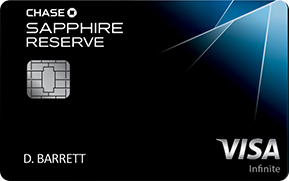
- You need to get any cards that are important to you before you hit the limit. That may mean the Sapphire Reserve, the Ink or Freedom Unlimited, a business and personal Southwest Airlines cards, the United card, the Hyatt card, and perhaps the IHG card.
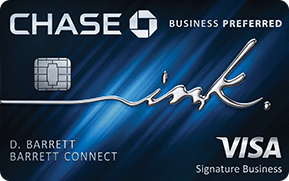
- Apply for the Ink Preferred card before the Ink Cash card. You may not get approved for both, and the Preferred card has a much better signup bonus. Then, at the end of the first year, you can convert it to the Ink cash card if you want.
- Collect as many Chase signup bonuses as you are comfortable with (before you hit the 5/24 limit). Once your sure you can have room to get any critical cards, fill out any remaining slots with the Chase cards that have the most attractive signup bonuses. You can get a maximum of 2 personal cards and 1 business card per month.
- Most people will want to collect any remaining large Ultimate Reward signup offers. The Ink Preferred has a normal signup offer of 80,000 points, the Sapphire cards have an normal offer of 50,000 points, as does the Ink Cash and Ink Unlimited card. You can't get both versions of the Sapphire Card, so get the Sapphire Reserve if you want to hold onto it, or the Sapphire Preferred if you just want the signup offer. You can get multiple versions of the business cards if you apply for one with an EIN and the other with your SSN. You can easily get a free EIN online.
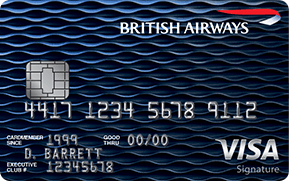
- Bigger spenders may want to collect the larger signup offers on the Avios cards. If you spend a total of $20,000, you can receive 100,000 points with the British Airways, Iberia and/or Aer Lingus cards.
- The other Chase signup offers are generally less attractive, but still worthwhile. For example, 100,000 IHG points or 40,000 Southwest Airlines miles are valuable enough to justify getting a card, but not as useful as 50,000 Ultimate Reward points or 100,000 Avios.
- You can mix in business cards from other banks while you are under 5/24. With the exception of Capital One, none of the major banks list your business cards on your credit report, so they won't be counted against your five card limit. You can also mix in other personal cards, if you don't need the 5/24 slots for important Chase personal cards, just shift your Chase signups to additional business cards, or live without one of the Chase signup bonuses.
There are no hard and fast rules, but we'd keep the total amount of Chase cards (personal and business) to 8. The Chase 5/24 rule will probably keep the number of personal cards you can apply for under that limit, but you can acquire additional business cards.
Other guidelines
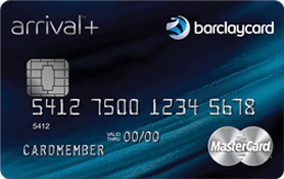
- Get the Barclay Arrival card as soon as your finished with the Chase cards. According to the web, they have a 6/24 policy, so its now or never. Their 50,000 point standard offer is valuable and easy to use on a very broad range of travel expenses, and higher offers are sometimes available.
- Once you've reduced your credit utilization percentage, you are generally better off collecting business cards first. As you start to expand the number of personal cards you have, your credit limit will rise. Since the amount you spend is fixed, your credit utilization will drop, and your credit rating will typically rise. Once your credit utilization is reliably below 10%, it doesn't make much difference. You should probably already be there by the time you are done with the Chase 5/24 cards and Arrival card. If not, keep getting personal cards to drop your utilization further.
- You want to get the clock started on any Citibank and Bank of America cards.
- Citibank limits you to one signup bonus per family every two years. More precisely, to qualify for a bonus, you may not have opened or cancelled a card in the same family in the last 24 months. Personal and business cards are tracked separately. It is useful to apply for a ThankYou rewards card, a personal Citibank American Airlines card, and a business Citibank American Airlines card relatively quickly, so you can get the clock started on your next set of signups. You are limited to one card every 8 days, two personal cards every 65 days, and one business card every 95 days.
- Bank of America limits you to a total of four personal cards every two years. The sooner you get your first one or two cards, the sooner you can get more. You want to get on a pace of about two cards per year. Choose the Bank of America cards that are most valuable for your individual circumstances. You can even get multiple copies of the same card, but you are limited to 2 personal cards in a two month period, 3 cards in a year, and 4 cards every two years.
- Then get your favorite cards from other major banks (except Amex). Since Capital One, Barclays, and US Bank are more likely to deny your application due to too many cards or inquiries, you've got a better chance if you apply earlier. There are no guarantees either way.
- Save most American Express cards till later—unless you you can take advantage of a great promotional offer. Amex is relatively indifferent to how many cards you get. Since you can only receive each American Express bonus once per lifetime, there is no rush. But, if a great promotional offer is available, or one of their cards is being discontinued, you'll want to fit it into your plans. There also isn't much reason to hesitate to get a card that you need for other reasons, such as a Delta Airlines card.
- Prioritize earning the points you need. Despite any other advice, if you need a certain type of points for an upcoming trip, prioritize any associated signup bonuses. Don't forget that you may be able to covert Membership Rewards or other transferable points to the points you need.
- Don't hesitate to prioritize cards to start taking advantage of their ongoing benefits. If some card has a benefit that you want to start using, such as the Alaska Airlines companion certificate or the Hilton card's free breakfast benefit, you'll want to get it more quickly, so you can start taking advantage of the benefit.
- Take advantage of good promotional offers when they are available. We will try to keep you updated on our best offers page.
Otherwise business cards are a better option, all other things being equal. With all of the major banks, with the exception of Capital One, business cards won't be listed on your personal credit report. This makes it more likely that you'll get approved for new cards. But business cards are a free lunch. When you apply for the card, the banks will generally do a "hard pull" on your personal credit report, and these inquiries are visible to other banks, and affect your future approval chances.

With less popular credit card issuers, there are no hard and fast rules. Some are reluctant to approve you if you've been actively collecting signup bonuses. Some don't care.
Keep in mind that you can only have 4-6 Amex credit cards at one time, but the different flavors of their Platinum, Gold and Green cards are "charge" cards and don't count against that limit; and you can only two new credit cards every 90 days.
The Amex Platinum card has valuable benefits, including gold status at Hilton and access to Amex's Centurion Lounges and Fine Hotels and Resort Program, but a high annual fee.
The good news is that there are several different versions of the card, and by the terms of Amex's "Once per lifetime" policy, you can earn the signup bonus on each one.
If you spread out your applications to these cards over time, you can maintain nearly continuous access to Amex's benefits, while earning a series of signup bonuses that offset the expensive annual fee. Since the offer on the regular and business versions of the cards can vary, you can ideally signup for these until a good promotional offer becomes available.

Best offers
Lua error in Module:Link at line 366: attempt to index field '?' (a nil value).