Difference between revisions of "Reciprocal museum programs"
(→2. Prioritize getting any “critical” cards you can't get later) |
(→3. Use any remaining slots for the affected Chase cards with the highest signup bonuses) |
||
| Line 142: | Line 142: | ||
=== 3. Use any remaining slots for the affected Chase cards with the highest signup bonuses === | === 3. Use any remaining slots for the affected Chase cards with the highest signup bonuses === | ||
| − | Once you've figured out how many of your available slots you need to use to get the | + | Once you've figured out how many of your available slots you need to use to get the cards that are important to you, you can use the remaining slots to maximize the value of the signup bonuses you collect. |
| − | You'll wan to focus any remaining slots on Chase 5/24 cards (which you won't be able to get once you've hit the 5/24 limit) and on other cards which have valuable signup bonuses, but can be hard to get once you've started applying for a bunch of | + | You'll wan to focus any remaining slots on Chase 5/24 cards (which you won't be able to get once you've hit the 5/24 limit) and on any other cards which have valuable signup bonuses, but can be hard to get once you've started applying for a bunch of new cards. |
Our suggestions are below. This list shows the “normal” signup bonuses for each card. Promotions are sometimes available, which may temporarily make one of the cards a more attractive option. {{Link|Promotional Offers}}. | Our suggestions are below. This list shows the “normal” signup bonuses for each card. Promotions are sometimes available, which may temporarily make one of the cards a more attractive option. {{Link|Promotional Offers}}. | ||
| Line 150: | Line 150: | ||
{{List|card}} | {{List|card}} | ||
{{CardItem|SapphirePreferred}} | {{CardItem|SapphirePreferred}} | ||
| − | '''Sapphire Preferred: 50,000 Ultimate Reward points'''. This is the best pure signup bonus from any of | + | '''Sapphire Preferred: 50,000 Ultimate Reward points'''. This is the best pure signup bonus from any of the Chase personal cards. Unlike the Sapphire Reserve, there is no first-year annual fee, and you can get an extra 5,000 points by adding an authorized cardholder. 50,000 Ultimate Reward points are worth $600-750 when redeemed like cash, $750-1,000 (or more) when redeemed for hotels, and potentially much more when redeemed for flights. To earn the bonus, you'll need to spend $4,000 in the first three months. |
| − | However, you can no longer have both this card and the Sapphire Reserve at the same time, so if you wanted the Sapphire Reserve for its ongoing benefits, you'll need to pass on the Sapphire Preferred's signup bonus. However, there are rumors that, despite the official rules, if you apply for both versions on the same day, you can get them both, and still be eligible for each card's signup bonus ( | + | However, you can no longer have both this card and the Sapphire Reserve at the same time, so if you wanted the Sapphire Reserve for its ongoing benefits, you'll need to pass on the Sapphire Preferred's slightly better signup bonus. However, there are rumors that, despite the official rules, if you apply for both versions on the same day, you can get them both, and still be eligible for each card's signup bonus (this will still use up two slots). |
{{CardItem|swaplus}} | {{CardItem|swaplus}} | ||
| − | '''Southwest Personal: 40,000 Southwest points'''. | + | '''Southwest Personal: 40,000 Southwest points'''. This works out to about $600 towards flight purchases. Because Southwest operates a fixed-value award program, you don't need to worry about award availability. You can get good value for your points on any flight that offers "Wanna Getta Away" fares. |
| − | You can only get one of the three | + | You can only get one of the three versions of this card. If you don't fly Southwest very frequently, the Plus version is the better deal. It has the lowest annual fee, and all three versions typically have the same signup bonus. If you fly Southwest more frequently, you'll get enough extra value from the Priority version to offset its higher annual fee. |
{{CardItem|United}} | {{CardItem|United}} | ||
| Line 163: | Line 163: | ||
{{CardItem|Arrival}} | {{CardItem|Arrival}} | ||
| − | Barclays Arrival Plus: 50,000 arrival points. These points can be used for $500 of travel purchases. You can use your card to book almost any travel related expense, and then use your points to get reimbursed. This is one of the best cash-like signup bonuses, and it can be hard to get approved for this card, unless you get it early. | + | '''Barclays Arrival Plus: 50,000 arrival points'''. These points can be used for $500 of travel purchases. You can use your card to book almost any travel related expense, and then use your points to get reimbursed. This is one of the best cash-like signup bonuses, and it can be hard to get approved for this card, unless you get it early. |
{{CardItem|Marriott}} | {{CardItem|Marriott}} | ||
| − | '''Marriott: 75,000 Marriott points'''. These points are valued at {{Value|Marriott|75000}} and can easily be used for Marriott / SPG hotel rooms or converted into | + | '''Marriott: 75,000 Marriott points'''. These points are valued at {{Value|Marriott|75000}} and can easily be used for Marriott / SPG hotel rooms or converted into 30,000 airline miles with a larger number of different frequent flyer programs. $3,000 initial spending requirement in the first 3 months. $95 annual fee. |
{{/List|card}} | {{/List|card}} | ||
Revision as of 21:59, 8 September 2018

Chase issues some of the the best travel and reward credit cards. However, they have an approval policy that can make it hard to get many of these cards.
Chase won't approve your credit card application, regardless of your credit score or income, if you’ve already signed up for 5 new credit cards, during the last 24 months.
They don’t just count cards you received from Chase. They count all the (personal) cards you’ve received from any credit card company, and even include cards for which you were simply added as an authorized user. This is widely referred to as the Chase “5/24 rule".
If you are following our advice, you are about to start applying for a set of new credit cards—to take advantage of their travel benefits, signup bonuses, and/or reward-earning rates. Once you hit the 5 card limit, you won’t be able to be approved for any of the Chase cards that are affected by the “5/24” rule.
As a result, we recommend that everyone sign up for these Chase cards first, and only after hitting the limit, continue on to other cards.
Jump to
Jump to:
- General approach
- 1. Get as many Chase Business cards as you can.
- 2. Get the critical Chase personal cards
- 3. Collect extra Chase 5/24 signup bonuses
- 4. Fill out the rest of your core credit card collection
- 5. Collect the best remaining signup bonuses
- Strategies to continue qualifying for the Southwest Companion Pass
- Possibilities for bypassing the rule
- Advanced 5/24 strategies
Jump to:
- 1 General approach to the Chase 5/24 rule
- 2 1. Apply for any affected Chase 5/24 BUSINESS cards (if applicable)
- 3 2. Prioritize getting any “critical” cards you can't get later
- 4 3. Use any remaining slots for the affected Chase cards with the highest signup bonuses
- 5 4. After you've hit the 5/24 limit, fill out the rest of your core credit card collection
- 6 5. Finally, collect the best remaining “sign-up” bonuses
- 7 Strategies to continue qualifying for the Southwest Companion Pass
- 8 Possibilities for bypassing the rule
- 9 Advanced 5/24 strategies
General approach to the Chase 5/24 rule
The number of new credit cards you've received in the past two years determines how many "slots" you still have left to get cards that are affected by the Chase 5/24 rule. For example, if you have previously received 2 new cards, you'll have 3 slots left.
Your individual circumstances will control exactly which cards you should get to fill these slots. But, there are some general principles that most people should follow.
- If you really want any of the affected Chase 5/24 cards, you are going to need to get them, before you hit the 5 card limit. Even if you not planning to collect signup bonuses, there is a good chance that you'll wind up hitting the 5/24 limit as you build out your core credit card collection. Once you do, it may be a few years before you will be able to get any of the affected Chase cards. If you are planning on collecting signup bonuses, it could be a much longer time, before you're eligible again.
- Any other personal credit card you get, before you hit the limit, blocks your ability to get one of the affected Chase cards. If you have room for four more cards, and you sign up for a card from another bank (or one of the unaffected Chase cards), you'll have one less slot available for getting a Chase 5/24 card. Because Chase has so many good cards affected by the rule, you'll miss out on getting a card with a lucrative signup bonus, and/or with valuable travel or reward benefits. In contrast, if you get the Chase cards first, you can usually get the other cards later.
- There are a few non-Chase cards that you may want, that you will need to get right away. For example, the U.S. Bank Altitude Reserve provides a fantastic reward rate on many purchases. But, it can be hard to get approved, if you have had too many recent credit inquiries or new cards. If you want it, you can't necessarily wait till after you fill up all your Chase 5/24 slots. The important cards are listed below.
- If you don't want to wait to take advantage of a particular credit card, you can consider getting it earlier. Ideally, you would wait to after you hit the Chase 5/24 limit, so you can maximize the number of Chase 5/24 cards that you can get, and not "waste" a slot. But, it will take some time before you are finished filling your slots (especially if you are getting business cards as well). You may not want to wait to get a card that has a valuable benefit or bonus.
- Most small business credit cards don't count against the 5-card limit. Of all the major banks, only Capital One will add your business cards to your personal credit report. As a result, any business cards you get from other banks won't show up when Chase is evaluating your application. You can get as many business cards as you can, even from Chase, without taking up any of your slots. And if you have kind of small business, even a side business that is not incorporated, you can get small business cards. In most cases, you don't even need to have made any money yet. Unlock Extra Reward Points with Business Credit Cards.
- In many cases, you can get the benefits you want from a small business version of the card. For example, most Airline cards come in both a personal and a business version. You can intersperse as many small business cards as you want, without using up your slots for getting other cards.
- Once you’ve hit the 5 card limit, double-check to see if you have any cards that you acquired nearly two years ago. If you do, you can wait a couple of months, get back under the 5 card limit, and apply for an additional affected card(s). If you want to know the exact number of newer cards you have on record, you can check your credit report.
For example, you may want to get the Citi Prestige card (for its valuable 4th night free benefit), the Alaska Airlines card (for its companion certificate and checked bag benefit), or the Hilton Aspire card (for its free night certificate), so you can take advantage of their benefits for an upcoming trip; or you may want to take advantage of a particularly good promotional signup offer, while it is still available.
According to current rumors, Chase is planning to eventually apply the 5/24 rule to all of their credit cards (not just the card that are currently affected by the rule). As more cards are affected, the prioritization of which cards to get will change. We will update this guide as the list of affected cards changes.
1. Apply for any affected Chase 5/24 BUSINESS cards (if applicable)
If you are willing and able to get small business cards, you need to get any affected Chase small business cards before you hit the 5/24 limit. Even though getting these cards doesn't add to your 5/24 "count", you won't be able to get them once you hit the 5/24 limit.
For example, if you've already gotten 3 new credit cards in the last two years, you'll have 2 slots left. If you then apply for 3 small business cards, your credit report will still only show the original 3 cards, and you'll still have 2 slots. But, if you get 2 new personal cards, you'll hit the 5 card limit, and Chase will block your ability to get their affected business cards.
You never know how many Chase small business card you'll be approved for, especially for a very small business. So, prioritize these cards, and get the most important ones first. While you can mix in some personal cards, make sure to get whichever of these cards you want, BEFORE you use up your last Chase 5/24 slot.
|
If you want to get the Southwest Companion Pass, you need to prioritize signing up for the Southwest Business Card. Depending on your travel patterns, the Southwest Companion Pass can be the most lucrative deal in travel hacking. It allows a second person to fly for free, on every paid and every award flight on Southwest Airlines. You can use it as many times as you like. If you are a couple, with the inclination and time to frequently jet around the country, getting the pass lets you travel at essentially half-price. On the other hand, many other travelers can’t get that much value from the pass, either because they frequently fly by themselves, or don’t have an opportunity to fly frequently on Southwest airlines. Get 2 for 1 Travel with the Southwest Airline Companion Pass. The easiest way to qualify for the pass is by collecting the signup bonuses from two Southwest Airlines credit cards in the same year. Since you can only collect the signup bonus from at most one of the personal versions of the cards, the way to get two signup bonuses iis to get the business card as well. You'll also still need a 5/24 slot to use for one of the personal versions of the card. Signup bonuses for the Southwest cards vary, but are typically around 40-60,000 points. If you apply for two cards, and earn their signup bonuses, you’ll be near (or over) the number of points that entitles you to the pass. In the process, you'll also be earning points worth around $3,200 of Southwest Airline flights—$1,600 for you to buy tickets, with $1,600 worth of free tickets for your companion. Timing is tricky. Since the Companion Pass works for the rest of the year in which you earn it, and the entire following year, ideally you'd time your applications so that you earn your bonuses early in the year. But, you don't want to chance getting other Chase business cards first. So, you may want to bide your time getting other business cards, and filling out any additional Chase 5/24 personal slots, before you apply for the Southwest cards. | |
|
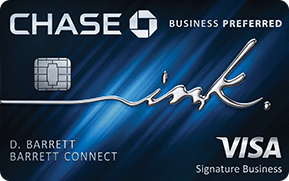
Regardless of which Ink small business card is most interesting, most people should prioritize getting the Ink Preferred card first. The Ink Preferred's standard bonus is 80,000 Ultimate Reward points, but the standard bonuses for the other cards is 50,000 points. And, with the Ink Preferred, you'll be able to immediately start transferring your points to partner programs, without worrying about whatever other Chase cards you have (the points from the Ink Cash and Ink Unlimited cards can only be redeemed for 1 cent each, unless you also have the Ink Preferred, Sapphire Preferred, or Sapphire Reserve cards). At the end of the first year, you can always convert your Ink Preferred card into one of the other Ink cards, to get access to a different set of reward earning rates (and to eliminate the annual fee). | |
|
If Chase will approve you, you should definitely get the other Ink cards as well. Some people won't get approved for multiple Ink cards, and some people will. If you can get approved, it is always worthwhile to get both of these cards. The signup bonuses alone are valued at $850, they offer valuable earning rates, they don't have annual fees, getting them won't take up any of your Chase 5/24 slots, and you won't be able to get them later. It doesn't much matter which one you apply for first. At the end of the first year, you can convert one to the other. They both normally have the same signup bonus. And, since you'll be focusing your spending on meeting the initial spending requirements of new cards, each of these card's reward earning rates is not that critical for some time. Getting these cards early is about the lucrative signup bonuses (valued at $850), and holding onto these cards for later. If Chase will let you get all three cards, even better. If you have multiple businesses, you could start out with multiple Ink Preferred cards (one with your SSN, the other with an EIN), before moving onto other Ink cards. | |
|
If you frequently fly United, try to get the United business card, for it's free checked bags and other benefits. If you fly on United a lot, and you check bags, you can save some serious cash by getting and keeping the United credit card—it lets you and a companion avoid the fee on your first checked bag. It is also useful for people who frequently fly United, because cardholders get increased availability for both “anytime” and “saver” award redemptions. If you can get the Business version, instead of the personal version, you won't need to use one of your 5/24 slots. But, if you have the space for the personal card, or you don't need the United card, it can make sense to prioritize getting the other Ink cards first, as their signup bonuses are generally more valuable. |


The Marriott Premier Business Card is not affected by the Chase 5/24 rule. You can either get it early, or you can wait to get it until after you've hit the Chase 5/24 limit.
Feel free to get additional small business credit cards at any time in the process. They won't affect your 5/24 status. And, since they aren't blocked by the Chase 5/24 limit, you can also get them later.
2. Prioritize getting any “critical” cards you can't get later
The 5/24 rule doesn’t affect every Chase card. However, it affects most of their more attractive cards, specifically all their Ultimate Rewards (Sapphire, Freedom, Ink), Southwest Airlines, and United Airlines cards, and the personal version of their Marriott card. Most people are going to want one or more of these cards as part of their core credit card collection. If so, you'll need to get them before you hit the Chase 5/24 limit.
If you are willing and able to get business cards, some of the Chase Business cards can substitute for some of their personal cards, freeing up additional slots.
In addition, there are a few cards issued by other banks, where if you have too many recent credit inquiries or new credit cards, it can be hard to get approved. If you want to get these cards, you'll need to get them before you start applying for lots of other cards.
|
If you want to get the Southwest Companion Pass, your top priority is usually to get one of the Chase Southwest Airlines cards.. As discussed in the Chase Business card section above, if you frequently fly Southwest, the Southwest Companion Pass is one of the most lucrative deals in travel hacking. And the easiest path to qualify for the pass is to signup for two Southwest credit cards. Get 2 for 1 Travel with the Southwest Airline Companion Pass. You can only have one of the personal versions of the Southwest Airlines card at a time, and you can only collect a signup bonus for one of the cards, every two years. If you are aiming for the Companion Pass, we would generally recommend the Priority version (unless one of the other cards has a higher signup bonus). The Priority cards's $75 travel credit and larger number of anniversary bonus miles more than make up for the higher annual fee. And you'll get some ongoing benefits for your future Southwest Airlines flights. If you are not willing or able to get the Southwest Business card, you have a couple of options. Rumors are that, despite the official rules, you can sign up for two different versions of the Southwest personal card on the same day, and still receive both signup bonuses. Or you can sign up for just one card, and try to earn the additional miles through other means. If neither of those work out, you may need to give up on the idea of earning the pass. | |
|
If you frequently fly United, you’ll want to make sure to get the United card, to get access to free checked bags and other benefits. If you fly on United a lot, and you check bags, you can save some serious cash by getting and keeping the United credit card—it lets you and a companion avoid the fee on your first checked bag. It is also useful for people who frequently fly United, because cardholders get increased availability for both “anytime” and “saver” award redemptions. If you are willing and able to get business cards, you could get the business version of this card instead. | |
|
Many people will want to get the Sapphire Reserve and one of the Chase Unlimited cards, to earn the highest reward rates on much of their spending. These cards work together to earn the most valuable rewards on travel and restaurant spending, and for any spending that doesn’t fit into a bonus category. And as a side benefit, you'll have access to a number of valuable travel benefits like airport lounge access and primary rental car insurance. (While this is our recommended general purpose reward strategy for most people, some people may want to take an alternative approach. If so, getting these cards is not crticial). Get a Great General Purpose Reward Card and Use It for All of Your Spending. This Chase Unlimited combo normally take TWO slots, one for each card. The Unlimited card's reward rate is not very interesting unless you have the Sapphire Reserve, Sapphire Preferred, or Ink Preferred card, so that you can transfer your Ultimate Reward points to their travel partners (or use them at more than 1 cent each to purchase travel). And none of the other cards earn more than 1x points on everyday purchases. However, if you are willing and able to get business cards, you have some additional flexibility. Instead of getting the personal version of the Unlimited card, you can get the Business version. Or you could get the Ink Preferred cards, and convert it into an Ink Unlimited card at the end of the first year (since you'll be focusing your spending on meeting the initial spending requirements of your new cards, it isn't a big deal to defer the 1.5x Ultimate Reward rate on everyday purchases for a year). You could even skip getting both of these cards, if you were able to get the Ink Preferred and Ink Unlimited combination. You could eventually fill-in the missing features of the Sapphire Reserve card, by getting another card that earns good bonus rewards, and using other premium cards for airport lounge access. | |
|
Bank of America's Altitude Reserve card is a lucrative card for anyone who wants to optimize their rewards for credit card spending, and is hard to get once you start signing up for a bunch of credit cards. It earns 4.5% back on any purchase you make with digital wallets, like Apple Pay. This allows you to earn extra rewards at any brick and mortar or online business that supports mobile wallets. And with Samsung Pay, you can earn 4.5% at any location where you swipe your credit card. To get this card, you'll need an account at U.S. Bank. Even then, it is hard to get approved, if you have too many recent inquiries or credit card accounts. As a result, if you want to be sure to get this card, get it early, even though it will effectively take up one of your Chase 5/24 slots. Even though other cards may be higher priority, if you have enough slots, you may want to get this one first. You'll still have room to get the other important cards later. | |
|
The Chase “Freedom” card is interesting, but you are probably better off prioritizing other cards instead. The “Freedom” card is a different card than the “Freedom Unlimited”. It earns 5x points on purchases made in a set of categories that change every quarter; which is an incredible earning rate, since the points are worth around 1.7 cents each. These rewards, however, are capped at $1,500 of spending per quarter, so you can only earn up to an 30,000 bonus category points per year (or 21,000 points on top of the Unlimited Combo's base earning rate). It can take a bit of effort to use this card effectively, so be sure you are willing to take the time to follow this approach, before prioritizing it too highly, especially because the signup bonus is so low. Earn 5-10% in Rewards with Rotating Category Cards. |





3. Use any remaining slots for the affected Chase cards with the highest signup bonuses
Once you've figured out how many of your available slots you need to use to get the cards that are important to you, you can use the remaining slots to maximize the value of the signup bonuses you collect.
You'll wan to focus any remaining slots on Chase 5/24 cards (which you won't be able to get once you've hit the 5/24 limit) and on any other cards which have valuable signup bonuses, but can be hard to get once you've started applying for a bunch of new cards.
Our suggestions are below. This list shows the “normal” signup bonuses for each card. Promotions are sometimes available, which may temporarily make one of the cards a more attractive option. Promotional Credit Card Offers.
|
Sapphire Preferred: 50,000 Ultimate Reward points. This is the best pure signup bonus from any of the Chase personal cards. Unlike the Sapphire Reserve, there is no first-year annual fee, and you can get an extra 5,000 points by adding an authorized cardholder. 50,000 Ultimate Reward points are worth $600-750 when redeemed like cash, $750-1,000 (or more) when redeemed for hotels, and potentially much more when redeemed for flights. To earn the bonus, you'll need to spend $4,000 in the first three months. However, you can no longer have both this card and the Sapphire Reserve at the same time, so if you wanted the Sapphire Reserve for its ongoing benefits, you'll need to pass on the Sapphire Preferred's slightly better signup bonus. However, there are rumors that, despite the official rules, if you apply for both versions on the same day, you can get them both, and still be eligible for each card's signup bonus (this will still use up two slots). | |
|
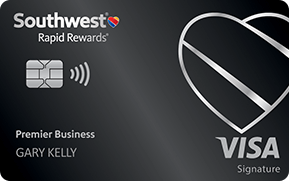
Southwest Personal: 40,000 Southwest points. This works out to about $600 towards flight purchases. Because Southwest operates a fixed-value award program, you don't need to worry about award availability. You can get good value for your points on any flight that offers "Wanna Getta Away" fares. You can only get one of the three versions of this card. If you don't fly Southwest very frequently, the Plus version is the better deal. It has the lowest annual fee, and all three versions typically have the same signup bonus. If you fly Southwest more frequently, you'll get enough extra value from the Priority version to offset its higher annual fee. | |
|
United Explorer: 40,000 United miles. You can use these on a variety of partner airlines, even if you don’t fly United. So, they are more flexible than Southwest Points, but you will need to find available awards space first. You need to spend $1,000 in the first 3 months. The annual fee is $95, but it is waived the first year, and if you are only getting it for the signup bonus, you won’t keep it longer than that. The signup bonus on this card is still valuable, even if you got (and are planning to hold onto) the business version. | |
|
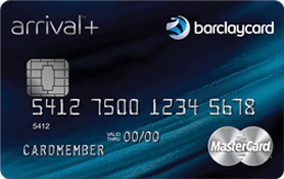
Barclays Arrival Plus: 50,000 arrival points. These points can be used for $500 of travel purchases. You can use your card to book almost any travel related expense, and then use your points to get reimbursed. This is one of the best cash-like signup bonuses, and it can be hard to get approved for this card, unless you get it early. | |
|
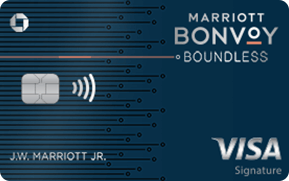
Marriott: 75,000 Marriott points. These points are valued at $530 and can easily be used for Marriott / SPG hotel rooms or converted into 30,000 airline miles with a larger number of different frequent flyer programs. $3,000 initial spending requirement in the first 3 months. $95 annual fee. |


4. After you've hit the 5/24 limit, fill out the rest of your core credit card collection
After you’ve hit the limit for your Chase “5/24 cards”, you are ready to get any unaffected cards, from Chase or other credit card companies, that you want to make part of your core credit card collection.
While we generally recommend using any remaining Chase 5/24 slots to get cards you can't get later, that means having to wait some time before you can get any unaffected non-business cards.
If a potential travel benefit that is extremely valuable to you, you may not want to wait. For example, if you could save hundreds of dollars with the Citi Prestige's 4th night free benefit, by getting the card earlier, it may be worth missing out on one of your potential Chase 5/24 slots. You have to trade off the value of having access to the benefit, while you are still under the 5/24 limit, versus the value of being able to get an additional valuable Chase card or signup bonus.
5. Finally, collect the best remaining “sign-up” bonuses
Then, you can continue to get additional cards, just to take advantage of their signup bonuses. The Best Credit Card Signup Bonuses.
We generally suggest getting non-Amex cards first. However, don't hesitate to get any Amex cards that have important benefits, are offering a particularly good signup promotion, or are about to get cancelled.
- You can often receive non-Amex signup offers multiple times. Although, there is usually have to wait until enough time has past since you last received the offer. The sooner you sign up for these cards, the sooner you'll be able to get them again. Since you can only receive Amex signup offers once per lifetime, there is no harm in waiting.
- Amex is pretty forgiving of people who have signed up for a lot of cards with other banks. Many, but not all, other banks are less likely to approve you, if you have a bunch of recent inquiries or new cards. By getting non-Amex cards first, and saving Amex cards till later, you are likely to be able to receive more total approvals over a several year time period.
While many of Chase's best cards are affected by the Chase 5/24 cards, some of its other cards, such as the Hyatt, IHG, and British Airways cards, are not. As a result, you can sign up for these other cards after you've hit the 5/24 limit.
However, if you've been signing up for lots of cards in a relatively short period of time (across all of the credit card companies), in order to collect a lot of signup bonuses, there is some risk in trying to sign up for one of these other Chase cards. As part of processing your application, there is a small risk that Chase will decide that your large number of new cards and/or inquiries makes you a risk, and they will cancel all of your existing cards. This hasn't happened to many people, but it has happened to some.
To play it safe, if you want a couple of these cards, get them before you've signed up for many other cards, and don't try to sign up for every possible Chase card as fast as you can. Then, don't apply for new Chase cards, unless you wind up slowing down your credit card applications in the future.
Strategies to continue qualifying for the Southwest Companion Pass
If you qualify for a Southwest companion pass, by signing up for your Southwest Airline cards towards the beginning of the year, you will have access to the pass for almost two years. The pass is good till the end of the year following when you qualify for it. When the pass expires, you are going to want to re-qualify. But to do that, you’ll need to be under the Chase 5/24 limit, so that you can reapply for the cards.
- The simplest approach is to have one person stick to a smaller number of cards. Every two years, they are eligible for a total of 5 personal cards. As long as you sign up for the Southwest Business card first, you can get the Southwest personal card, as well as four other personal cards over every two year period. The other person doesn’t have to worry about the sign-up limit, and can sign up for as many cards as they want.
- The skip-a-year method. Under this approach, you get all the credit cards which are most important to you, including the Southwest Airlines cards, during the first year. That way, you can be sure to get all the cards you want for your core credit card collection, and collect all the best signup offers. Then, you stop signing up for new credit cards. A year later, your Southwest pass will expire, but you won’t be able to immediately re-qualify. Then, about two years after you finished your initial burst of sign-up activity, you’ll back under the limit, and will be able to apply for the Southwest Airlines cards again. Depending on how quickly you acquired the other cards you want, you may only need to live without the pass for 12-18 months.
Possibilities for bypassing the rule
While is almost impossible to get approved for the affected cards, if you are over the 5/24 limit, it is not completely impossible.
- If you are “pre-approved” in-branch, you will usually get approved for the card, even if you are over 5/24. You need to ask your banker to see if you are pre-approved for any cards, and fill out the application in the branch. Just be aware that there isn’t a high likelihood that you will qualify for any pre-approved offers for these cards.
- If you have a more significant business, you may be able to get approved for additional cards, even if you are over the limit. You will need to have your own “Business Relationship Manager”, and fill out a paper-based application form. For this to work, you usually need to be doing a significant amount of business-related banking with Chase.
- Being a Chase Private Client no longer exempts you from the rule. During the earlier days of the Chase 5/24 rule, Chase didn’t always apply the rule to its best customers. If you were a Chase Private Client, your application might still get approved, or you could wind up getting up approved by having your personal banker help you with the reconsideration process. While anything is possible, this is no longer working for most people.
Advanced 5/24 strategies
Our basic approach to the Chase 5/24 rule is simple. Sign up for as many affected cards as you can, move onto other cards, and don’t look back.
Until Chase gets rids of the policy, or you slow-down, you won’t be getting any additional affected cards. But, if you are willing to deal with some complexity, you can optimize this further.
- If you are at 4 cards, you can probably be approved for 2 additional Chase cards, as long as you apply on the same day. This allows you to sneak-in an additional affected card. Apply for the card you want more first. Then apply for an additional card later that same day. There is a limit of 2 new Chase cards every 30 days, so you need to make sure at least 30 days have passed since you were approved for your previous card.
- Most business credit cards don’t count towards your Chase 5/24 limit. Credit card companies usually look at your personal credit report when deciding whether to give you a small-business card. But once you get the card, it usually won’t be listed among the open accounts on your personal report. So, when Chase looks at your credit report, they won’t see (most of) the small-business cards that you’ve already signed up for. To see the best information about whether a card will show up or not, check Doctor of Credit’s List.
- You can sign up for affected Chase business cards (Ink, Southwest, United) before you hit 5/24, and they shouldn’t count against your limit. This lets you squeeze in extra Chase 5/24 cards. Even though Chase obviously knows that you signed up for these cards, most people report that they don’t count against the 5-card limit. This can be confusing, because you can’t get these cards if you have already gotten 5 cards, but getting this card earlier doesn’t count as one of those 5. There are some conflicting reports, so don’t be too upset, if they wind up counting against your 5-card limit
- If you are trying to stay or get back under 5/24, you don’t need to worry about signing up for (most) business cards. As soon as you drop below 5 personal cards in the last 24 months, you are re-eligible to get another Chase 5/24 card. To repeat, you can get as many business card as you want, from almost any bank, without affecting your Chase 5/24 status.
- To increase your flexibility of signing up for Chase offers, you focus on business cards first, even before getting all the affected Chase cards that you want. Since business cards generally won't be listed on your credit report, you'll stay under the 5/24 limit. This allows you to sign-up for one of the affected Chase cards if a particularly good opportunity comes along; or if your plans change. Until you've started running out of business credit cards to apply to, or you need more than one or two non-Chase personal cards for other reasons, you can postpone getting the personal cards from Chase (or any other bank).
- If Chase cards are extremely important to you, you can use a one-year-on, two-years-off strategy. With this approach, you go crazy with credit cards sign-ups, and then go close to cold-turkey for two years. At the end of your two-year abstinence, you can sign-up for up to a set of Chase cards again, then a bunch of other credit cards, and then possibly go cold-turkey again.
- It MAY still be possible to earn the signup bonuses for both versions of the Sapphire card and/or both personal versions of the Southwest Airline cards. Chase's official rule is that you can only have one Sapphire card and one personal Southwest Airline card at any one time, and can only earn one Sapphire card bonsu every 48 months, and one personal Southwest card bonus every 24 months. However, some people have reported being able to sign up for both Sapphire or both Southwest cards on the same day, and earn the bonuses from both cards.
During the two “down years”, you can always sign-up for a particularly amazing or useful card. You’ll still get under the 5-card limit around the same time. You just will have room for one less Chase card, when you do. And, you can still sign-up for business cards the entire time.
Also, there is no hard and fast rule about how long your active period should be. You could limit it to six months, so you can get Chase cards every 2.5 years; or you can lengthen it out to 2 years, and wait to get Chase cards every four years.
You are still subject to Chase's 2/30 rule, so make sure you haven't signed up for any Chase cards in the last month. According to an excellent post on Reddit, wait to get approved for the first card (if you aren't immediately approved called the reconsideration line at 888-270-2127), then apply for the second card in a different browser. The post suggests "starting early in the day, on a non-holiday weekday".