Difference between revisions of "Advanced bonus category optimization"
(Created page with "{{DISPLAYTITLE:{{Title|optimize rewards}} (2021)}} {{seo|description=Increase the rewards from your credit card spending by using cards that earn the best reward rates on bonu...") |
(→Paying Rent with Bilt) |
||
| (53 intermediate revisions by the same user not shown) | |||
| Line 1: | Line 1: | ||
| − | {{DISPLAYTITLE:{{Title| | + | {{DISPLAYTITLE: {{Title|advanced optimization}} (2021)}} |
| − | {{seo|description= | + | {{seo|description=Techniques to increase your bonus category rewards via "pick your own category", "rotating category", and gift cards.}} |
| − | {{Page|article|Card Strategies}} | + | {{Page|article|Earn Points|Card Strategies}} |
| − | {{ | + | {{Image|WalletandCards.jpg|full}} |
| − | + | If you really want to optimize the rewards you earn from your spending, you can take advantage of some of our more advanced strategies. | |
| − | |||
| − | |||
<blockquote> | <blockquote> | ||
| − | By using | + | By taking advantage of "pick your own category" cards, "rotating category" cards, and gift cards, you can earn 5-10% rewards on a chunk of your credit card spending. But it will take more effort than simply using a small collection of credit cards for different types of purchases. |
</blockquote> | </blockquote> | ||
| − | |||
| − | |||
{{TOC}} | {{TOC}} | ||
| − | *[[# | + | *[[#"Pick your category" cards|"Pick your category" cards]] |
| − | *[[# | + | *[[#"Rotating category" cards|"Rotating category" cards]] |
| − | *[[#The | + | *[[#The Cash Card|The Cash Card]] |
| − | *[[# | + | *[[#Maximizing high reward rates with gift cards|Maximizing high reward rates with gift cards]] |
| − | |||
{{/TOC}} | {{/TOC}} | ||
{{Main|article}} | {{Main|article}} | ||
| − | === | + | === "Pick your category" cards === |
| − | + | Several credit cards, such as the {{Card|CashPlus|only}}, the {{Card|BOACash|only}}, and the {{Card|CitiCash|only}}, let you choose your own bonus category(s) from a set of options and earn reward rates as high as 5%. These cards often include bonus categories, such as Online Shopping, Home Utilities, Fitness Centers, or Clothing Stores, which aren't available from other cards. | |
| − | |||
| − | + | {{Card|CashPlus}} | |
| − | |||
| − | |||
| − | |||
| − | |||
| − | + | ==== Some drawbacks ==== | |
| − | + | "Pick your own category" cards seem like a great way to increase the number of categories on which you earn bonus rewards, and in some ways they are. But they can be a little more complicated and less valuable than the first appear. | |
| − | |||
| − | |||
| − | |||
| − | |||
| − | |||
| − | |||
| − | |||
<ul class="bulletlist"> | <ul class="bulletlist"> | ||
| − | <li>''' | + | <li>'''Rewards are capped'''. Usually at $1,500, $2,000, or $2,500 of bonus category spending per quarter. This places a cap on the upside of any of these cards.</li> |
| − | + | For example, the U.S. Bank Cash Plus card offers 5% cashback, but has a limit of $2,000 per quarter. If you spend exactly $2,000 each quarter, you'd earn $400 in rewards each year. But that is only $200 more than what you would have earned by making these same purchases with a good general-purpose reward card. | |
| − | + | <li>'''You need to be careful not to spend too much in any quarter'''. Once you hit the cap, your reward drops to only 1%. If you come anywhere close to maxing out the benefits of one of these cards, you'll need to track your spending to make sure you know when to stop.</li> | |
| − | <li>''' | + | <li>'''You may feel compelled to make extra effort to max out your rewards'''. If you simply use the Cash+ card to pay your utility bills and gym membership, you may only use it for a couple of hundred dollars a month. If so, the extra rewards might only add up to something like $50 or $75 per year.</li> |
| − | + | If you want to max out the benefits from the 5% reward rate, you can make an effort to shift your purchases around or take advantage of gift cards to come close to $2,000 each quarter, but that will take extra work. | |
| − | |||
| − | |||
| − | |||
| − | |||
| − | |||
| − | |||
| − | |||
| − | |||
| − | |||
| − | |||
| − | |||
| − | |||
</ul> | </ul> | ||
| − | + | {{Pick a Category Cards}} | |
| − | + | ==== "Pick your own category" tips ==== | |
<ul class="bulletlist"> | <ul class="bulletlist"> | ||
| − | <li>''' | + | <li>'''You are usually better off choosing more unique categories''' like the Cash+ Card's "Clothing Stores" or "Fitness Centers" or the BOA Cash Card's "Online Shopping".</li> |
| − | For example, if you | + | <li>'''You can change your bonus categories every quarter (or every month)'''. This allows you to plan out your purchases to maximize the quarterly caps. For example, if you are planning to purchase some furniture, you can wait until the following quarter or month, switch your category to "Furniture Stores", and earn around 5% in rewards on your purchase.</li> |
| − | + | <li>'''It is often possible to get more than one copy of these cards'''. This allows you to earn the higher reward rate on a broader set of categories or an increased amount of quarterly spending within the same category.</li> | |
| + | </ul> | ||
| − | + | === "Rotating category" cards === | |
| − | |||
| − | + | With rotating category cards, the categories change every three months, not based on your choice, but on a schedule determined by the credit card company. | |
| − | < | + | <blockquote> |
| + | People who want to absolutely maximize their rewards or love the “thrill” of getting the highest possible reward rates, should make "rotating category cards" part of their credit card arsenal. | ||
| + | </blockquote> | ||
| − | + | For example, here’s the Chase Freedom calendar for 2019: | |
| − | {{Image| | + | {{Image|Freedom2019.png}} |
| + | |||
| + | And the 2020 Discover categories: | ||
| − | + | {{Image|Discover2020.png}} | |
| + | |||
| + | ==== These cards aren’t for everyone ==== | ||
| − | + | '''Many points and rewards “hobbyists” love cards with rotating category bonuses, because it feels so good to earn 5 - 10% in rewards just by using the right credit card'''. The 10% category bonus you can earn the first year with the Discover cards is the highest reward earnings rate available for any purchase with any credit card—and that’s saying something; and the 5x Ultimate Rewards points you can earn from the Chase Freedom Card is not that far behind. | |
| − | |||
| − | + | However, maximizing the benefits from these cards can be a lot of work: | |
| − | {{ | + | <ul class="simplelist"> |
| + | <li>'''Like the "pick your own category cards", rewards you can earn with "rotating category" cards are capped'''. With 5% cashback, even if you can spend the maximum of $1,500 per quarter, you’ll only earn about an extra $150 per year (above and beyond what you'd get from using a good general purpose reward card). However, the {{Value|UR|5}}% in value back from the Freedom Card can generate up to a more respectable $360 in extra rewards per year, and the first year of the Discover card can generate even more.</li> | ||
| + | |||
| + | <li>'''Unless you expend some effort, it can be hard to reach these theoretical maximums'''. During any given quarter, it might be hard to take full advantage of the available category(s). You may not naturally have an opportunity to spend $1,500 in the category or you may already be earning good bonus rewards in that category from another card. So, your real earning rate will be lower.</li> | ||
| − | <li>''' | + | <li>'''In return for these extra rewards, you need to deal with the extra complexity''' of remembering to use these cards for a shifting set of categories, registering for each quarter’s promotion, and trying to maximize your category spend (but not waste points by spending over the quarterly maximums). By contrast, collecting one additional signup bonus will provide a lot more value with a lot less effort. </li> |
| − | |||
| − | |||
| − | |||
| − | |||
</ul> | </ul> | ||
| − | + | Nevertheless, these cards do allow you to increase the number of rewards you earn each year, especially if you can accumulate multiple copies or each card and can figure out how to max them out. | |
| − | |||
| − | |||
| − | |||
| − | |||
| − | |||
| − | |||
| − | |||
| − | |||
| − | |||
| − | |||
| − | |||
| − | |||
| − | |||
| − | |||
| − | |||
| − | |||
| − | |||
| − | |||
| − | |||
| − | |||
| − | + | ==== Available rotating category cards ==== | |
| − | |||
| − | + | '''We recommend starting with the Chase Freedom Flex Card, if you can get it''' (you haven’t gotten more than 5 new credit cards in the past 2 years); and the Discover Card, if you can’t. If you know that you can generate enough spend and don’t mind the hassle of using these cards, you could always get both. You may even be able to get multiple cards of each type. | |
| − | |||
| − | |||
| − | + | {{List|card}} | |
| − | |||
| − | {{List| | ||
| − | |||
| − | |||
| − | |||
| − | |||
| − | |||
| − | |||
| − | |||
| − | |||
| − | |||
| − | |||
| − | |||
| − | |||
| − | |||
| − | |||
| − | |||
| − | |||
| − | |||
| − | |||
| − | |||
| − | |||
| − | |||
| − | |||
| − | |||
| − | |||
| − | |||
| − | |||
| − | |||
| − | |||
| − | |||
| − | |||
| − | |||
| − | |||
| − | |||
| − | |||
{{CardItem|Freedom}} | {{CardItem|Freedom}} | ||
| − | + | '''Chase Freedom Flex Card'''. Earns 5x Ultimate Rewards on a rotating set of categories. If you have a Chase Sapphire or Ink Preferred Card, you can transfer these points to airline or hotel programs, providing a value of about {{Value|UR|5}} cents per dollar. No annual fee. You can eventually get multiple copies of this card by converting other Chase Ultimate Rewards cards. | |
| − | {{ | ||
| − | + | {{CardItem|Discover}} | |
| + | '''Discover It Card'''. Earns 5% cashback on a rotating set of categories. But you’ll earn double the rewards during the first year. Discover cards aren’t accepted at every business, but that isn't very important for most of the merchants in most of its bonus categories. No annual fee. | ||
| − | + | {{CardItem|nusenda}} | |
| − | {{CardItem| | + | '''Nusenda Credit Union Platinum Rewards Card'''. Earns 5% on up to $1,500 per quarter just like the Discover It Card, but without the first-year bonus. No annual fee. |
| − | |||
| − | + | {{/List|card}} | |
| − | |||
| − | {{/List| | ||
| − | + | {{Box|Register For This Quarter}} | |
| + | To see the current (and often upcoming) calendar of bonus categories and register your card visit: | ||
| + | <center>{{tile|quarterly categories}}</center> | ||
| + | {{/Box}} | ||
| − | + | ==== "Rotating category" tips ==== | |
| − | |||
| − | |||
| − | + | To earn the maximum rewards from these rotating-category cards, you need to spend close to the full $1,500 each quarter. | |
| − | |||
| − | + | <ul class="bulletlist"> | |
| − | + | <li>'''Time your purchases for upcoming bonus categories'''. Each card’s categories are announced ahead of time, so you can often postpone a purchase until a category becomes active or purchase something ahead-of-time while a category is still active.</li> | |
| − | + | ||
| + | <li>'''Switch to another credit card once you’ve hit the quarterly maximum'''. Once you hit the $1,500 maximum each quarter, your earning rate on these cards drops to 1% (or 1 Ultimate Rewards point). You’ll do better shifting your category spending to a different card.</li> | ||
| − | + | <li>'''When you can, take advantage of the categories where you don’t already receive bonuses from one of your other cards'''. Let’s say it was the 2<sup>nd</sup> quarter of 2019, and you can receive Freedom Card bonuses on grocery and home improvement stores. If you already have a card that offers 6% on groceries, you are better off using as much of your quarterly spend as you can at home improvement stores.</li> | |
| − | < | ||
| − | < | ||
| − | + | {{ImageX|Drugstore.jpg}} | |
| − | <li> | + | <li>'''You need to register for the new categories every quarter'''. With most cards, you won't start earning 5x rewards until after you've registered. Set an appointment to remind yourself every three months. With the Chase Freedom Flex Card, as long as you register before the end of the quarter, you'll earn points even for purchases you made before you registered.</li> |
| − | < | + | <center>{{Tile|quarterly categories}}</center> |
</ul> | </ul> | ||
| − | |||
| − | === | + | === The Cash Card === |
| − | + | Rather than earning extra rewards on your purchases, you can receive a significant discount on your purchase instead. | |
| − | + | <blockquote> | |
| − | + | The [//cash.app Cash Card] provides significant discounts (typically 10%) on purchase from a variety of popular merchants. | |
| − | + | </blockquote> | |
| − | |||
| − | |||
| − | |||
| − | |||
| − | |||
| − | |||
| − | |||
| − | |||
| − | |||
| − | |||
| − | |||
| − | |||
| − | |||
| − | |||
| − | |||
| − | |||
| − | |||
| − | |||
| − | |||
| − | |||
| − | |||
| − | |||
| − | |||
| − | |||
| − | |||
| − | |||
| − | |||
| − | |||
| − | |||
| − | |||
| − | |||
| − | |||
| − | |||
| − | |||
| − | |||
| − | |||
| − | |||
| − | |||
| − | |||
| − | |||
| − | < | ||
| − | |||
| − | |||
| − | |||
| − | |||
| − | |||
| − | |||
| − | |||
| − | |||
| − | |||
| − | |||
| − | |||
| − | |||
| − | |||
| − | |||
| − | |||
| − | |||
| − | |||
| − | |||
| − | |||
| − | |||
| − | |||
| − | |||
| − | |||
| − | |||
| − | |||
| − | |||
| − | |||
| − | |||
| − | + | It works differently from a rewards credit card. First of all, it is a debit card (from the company that developed "Square"). You load money from your bank account to the Cash Card ahead of time and then use it for your purchases. | |
| − | + | To earn the extra rewards, you'll need to add a "boost" to your card first, using the "Cash App" on your phone. The set of available boosts change over time. Once you've used a boost at a particular merchant, you may need to wait to get the boost again. [//apps.apple.com/us/app/square-cash/id711923939 Apple App Store]. [//play.google.com/store/apps/details?id=com.squareup.cash Google Play]. | |
| − | + | {{Image|CashCard.jpg|240}} | |
| − | + | Commonly available boosts include 10% off at purchases at any grocery store, DoorDash, Starbucks, or Shake Shack, and 20% off purchases at the post office. Discounts are capped. For example, grocery store bonuses are capped at $7.50 of rewards per purchase ($75 of spending). | |
| − | + | === Maximizing high reward rates with gift cards === | |
There are a several credit cards that earn reward rates of 5% or higher on different bonus categories. But not all of your spending will naturally fit into these categories. Gift cards provide a way to boost your rewards on purchases where you earn a lower reward rate. | There are a several credit cards that earn reward rates of 5% or higher on different bonus categories. But not all of your spending will naturally fit into these categories. Gift cards provide a way to boost your rewards on purchases where you earn a lower reward rate. | ||
| Line 316: | Line 158: | ||
<li>'''With some cards, you can maximize your rewards by using gift cards to shift your spending to another part of the year'''. For example, rotating category cards earn very high reward rates, but change their bonus categories every quarter. If you aren't going to naturally hit one quarter's spending cap, you can often purchase buy cards for the remaining amount. Then, you can spend the gift cards for your purchases during the rest of the year.</li> | <li>'''With some cards, you can maximize your rewards by using gift cards to shift your spending to another part of the year'''. For example, rotating category cards earn very high reward rates, but change their bonus categories every quarter. If you aren't going to naturally hit one quarter's spending cap, you can often purchase buy cards for the remaining amount. Then, you can spend the gift cards for your purchases during the rest of the year.</li> | ||
| − | <li>'''If you can take advantage of a lot of gift cards, it changes the credit cards you might want to get'''. For example, we often recommend getting the Amex Everyday Preferred Card for grocery store (and gas) spending. Assuming you hit 30 transactions per month, it earns 4.5x Membership Rewards points on groceries and has a $95 annual fee. In contrast, the Amex Gold Card "only" offers 4x Membership Rewards points on groceries and has a $250 annual fee. But the Amex Gold Card has a $25,000 per year cap and the Everyday Preferred Card has a $6,000 cap. For many people, that difference is irrelevant. But, if you have the ability to use the entire capped amount via gift cards, the Gold Card is the better deal. To increase your total cap even further, you may even want to get | + | <li>'''If you can take advantage of a lot of gift cards, it changes the credit cards you might want to get'''. For example, we often recommend getting the Amex Everyday Preferred Card for grocery store (and gas) spending. Assuming you hit 30 transactions per month, it earns 4.5x Membership Rewards points on groceries and has a $95 annual fee. In contrast, the Amex Gold Card "only" offers 4x Membership Rewards points on groceries and has a $250 annual fee. But the Amex Gold Card has a $25,000 per year cap and the Everyday Preferred Card has a $6,000 cap. For many people, that difference is irrelevant. But, if you have the ability to use the entire capped amount via gift cards, the Gold Card is the better deal. To increase your total cap even further, you may even want to get multiple cards. </li> |
Similarly, many people may not be particularly interested in a card that earns high bonus rewards at office supply stores. Their normal amount of office supply spending isn't enough to make it very interesting. But, if you have no problem using gift cards, earning 5x Ultimate Rewards with the Ink Cash Card is an incredible deal. | Similarly, many people may not be particularly interested in a card that earns high bonus rewards at office supply stores. Their normal amount of office supply spending isn't enough to make it very interesting. But, if you have no problem using gift cards, earning 5x Ultimate Rewards with the Ink Cash Card is an incredible deal. | ||
| − | <li>'''Be careful with American Express cards'''. They don't allow gift card purchases to be used to meet the minimum spending requirements to earn signup bonuses. In addition, most of their interesting cards also include terms that exclude the ability to earn any reward points on gift card purchases at any time. These terms are not currently being enforced (except for signup bonuses and purchases from Simon Malls), but Amex may start enforcing them at any time. If they do, they could conceivably take back points that already posted to your account.</li> | + | <li>'''Be careful with American Express cards'''. They don't allow gift card purchases to be used to meet the minimum spending requirements to earn signup bonuses. In addition, most of their interesting cards also include terms that exclude the ability to earn any reward points on gift card purchases at any time. These terms are not currently being enforced (except for signup bonuses and purchases from Simon Malls and some online giftcard merchatnts), but Amex may start enforcing them at any time. If they do, they could conceivably take back points that already posted to your account.</li> |
</ul> | </ul> | ||
| Line 332: | Line 174: | ||
{{NextPages}} | {{NextPages}} | ||
{{Next|Credit Cards 101}} | {{Next|Credit Cards 101}} | ||
| − | {{Next| | + | {{Next|optimize rewards}} |
| − | {{Next| | + | {{Next|uncommon categories}} |
{{/NextPages}} | {{/NextPages}} | ||
{{/Page|article}} | {{/Page|article}} | ||
Latest revision as of 17:48, 21 September 2021
Easily Earn Points for Free Travel, Credit Card Reference

If you really want to optimize the rewards you earn from your spending, you can take advantage of some of our more advanced strategies.
By taking advantage of "pick your own category" cards, "rotating category" cards, and gift cards, you can earn 5-10% rewards on a chunk of your credit card spending. But it will take more effort than simply using a small collection of credit cards for different types of purchases.
Jump to
Jump to:
"Pick your category" cards
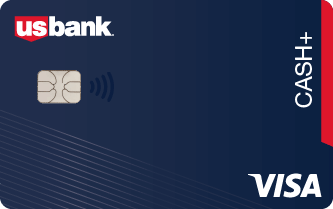
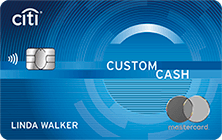
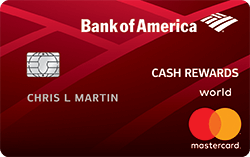
Several credit cards, such as the U.S. Bank Cash+ Card, the BOA Cash Rewards Card, and the Citi Custom Cash Card, let you choose your own bonus category(s) from a set of options and earn reward rates as high as 5%. These cards often include bonus categories, such as Online Shopping, Home Utilities, Fitness Centers, or Clothing Stores, which aren't available from other cards.
Some drawbacks
"Pick your own category" cards seem like a great way to increase the number of categories on which you earn bonus rewards, and in some ways they are. But they can be a little more complicated and less valuable than the first appear.
- Rewards are capped. Usually at $1,500, $2,000, or $2,500 of bonus category spending per quarter. This places a cap on the upside of any of these cards.
- You need to be careful not to spend too much in any quarter. Once you hit the cap, your reward drops to only 1%. If you come anywhere close to maxing out the benefits of one of these cards, you'll need to track your spending to make sure you know when to stop.
- You may feel compelled to make extra effort to max out your rewards. If you simply use the Cash+ card to pay your utility bills and gym membership, you may only use it for a couple of hundred dollars a month. If so, the extra rewards might only add up to something like $50 or $75 per year.
For example, the U.S. Bank Cash Plus card offers 5% cashback, but has a limit of $2,000 per quarter. If you spend exactly $2,000 each quarter, you'd earn $400 in rewards each year. But that is only $200 more than what you would have earned by making these same purchases with a good general-purpose reward card.
If you want to max out the benefits from the 5% reward rate, you can make an effort to shift your purchases around or take advantage of gift cards to come close to $2,000 each quarter, but that will take extra work.
Available "Pick your category" cards
|
The U.S. Bank Cash Plus Card is the "standard" pick your own category card. It has been around for the longest, is available throughout the whole country, and unlike the other cards, it allows you to choose two categories, instead of one. It earns 5% cash back, capped to $2,000 of bonus category spending each quarter. Inconveniently, U.S. Bank forces you to re-select your categories every quarter and you won't earn bonus rewards on those categories until you do so. No annual fee. | |
|
The Citi Custom Cash Card has the highest potential reward rate of any pick your own category card. It earns 5x ThankYou points which normally would only be worth 5%. However, if you also have the Citi Premier or Prestige Card, you can convert the points to airline miles. In that case, we value the points at 1.5 cents each, which works out to 7.5%. And if you have the Citi Rewards+ Card, you'll get a 10% boost on your redemptions, making the points worth even more. Unlike most of the other cards, you don't need to choose a category each billing period. Instead, your top eligible category is chosen automatically. Bonus rewards are capped to $500 spending per statement period and it is hard to use less common categories to maximize your rewards. | |
|
If you can keep $100,000 of investment or retirement money at Merrill Lynch, the Bank of America Cash Rewards Card is another good option. Normally, it earns 3% on your choice of categories. But, if you have a total of $100,000 or more in combined assets at Merrill Lynch and Bank of America, you'll receive "Platinum Honors" status in their Preferred Rewards program and get a 75% bonus on your credit card reward points. This increases the effective reward rate to 5.25%. The Cash Rewards Card has a higher quarterly limit ($2,500 of spending) and is the only "pick your own category card" that lets you change your category every month, instead of every quarter. But many people just keep it locked to "online shopping" to earn bonus points on everything they buy online. No annual fee. | |
|
The Venmo Card earns 3% back on whichever of its categories you use the most each month. Unlike the other pick-your-own-category cards, you don't need to choose the category ahead of time. But since the earning rate is lower on your other categories, the ideal way to use the card is to only spend on a single category in any given statement period. Rewards are capped at $10,000 per year in spending in your top two categories each statement. | |
|
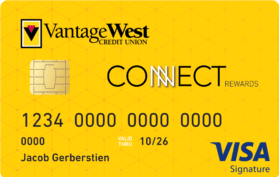
The Vantage West Connect Card is available to people who live in certain parts of Arizona. It earns 5% in a single category of your choice but is capped at only $1,500 of spending each quarter. No annual fee. | |
|
The Huntington Voice Cards are lower value options and require you to live near a branch. The personal version earns 3% in one category (up to $2,000 per quarter) and the business version earns 4% in one category (on up to $7,000 per quarter). But you can only apply in one of their branches located in Illinois, Indiana, Kentucky, Michigan, Ohio, Pennsylvania, West Virginia, and Wisconsin. No annual fee. | |
|
The Synovus cards are similar to the Huntington Voice cards, but for people in the Southeast. Cards are only available in branches located in Alabama, Florida, Georgia, South Carolina, and Tennessee. Depending on the card, you'll earn 3x points or 3% cash back and rewards are capped at $3,000 per quarter. The cashback and point-based reward versions have no annual fees. The Synovus Travel version has a $50 annual fee, but gives you a 20% rebate on travel purchase with points (3.6% cash-back rate), and earns 5x points (6% cash-back rate) on travel purchases as well. No annual fee. |


Available categories
| U.S. Bank Cash+ (Choose Two) |
Citi Cash (Choose One) |
BOA Cash (Choose One) |
Venmo {Focus on One) |
|---|---|---|---|
| Ground transportation
TV, Internet, and Streaming Sporting goods stores Select Clothing stores Gym / Fitness centers Department stores Cellphone service Home utilities Furniture stores Electronic stores Fast food Movie theaters |
Restaurants
Gas Stations Grocery Stores Select Travel Select Transit Select Streaming Services Drugstores Home Improvement Stores Fitness Clubs Live Entertainment |
Online shopping
Travel (includes rent!) Home improvements & Furnishings Drug stores Dining Gas |
Telecom, Streaming, Subscriptions & Utilities
Health & Beauty Transportation Travel Grocery Entertainment Dining & Nightlife Gas |
| Vantage West (Choose One) |
Huntington Voice (Choose One) |
Synovus (Choose One) |
|---|---|---|
| Travel
Restaurants Utilities In-store warehouse purchases Department stores Hardware & home improvement stores Charitable organizations Pharmacies & drug stores Amazon.com |
Gas
Travel & entertainment Restaurants Discount & warehouse stores Grocery stores Utilities & office supplies Electronics, computers & camera stores Department, apparel & sporting goods stores Auto parts & service Home improvement stores |
Business services
Entertainment Dining Gas Grocery Healthcare Maintenance Retail Travel Utilities |
"Pick your own category" tips
- You are usually better off choosing more unique categories like the Cash+ Card's "Clothing Stores" or "Fitness Centers" or the BOA Cash Card's "Online Shopping".
- You can change your bonus categories every quarter (or every month). This allows you to plan out your purchases to maximize the quarterly caps. For example, if you are planning to purchase some furniture, you can wait until the following quarter or month, switch your category to "Furniture Stores", and earn around 5% in rewards on your purchase.
- It is often possible to get more than one copy of these cards. This allows you to earn the higher reward rate on a broader set of categories or an increased amount of quarterly spending within the same category.
"Rotating category" cards
With rotating category cards, the categories change every three months, not based on your choice, but on a schedule determined by the credit card company.
People who want to absolutely maximize their rewards or love the “thrill” of getting the highest possible reward rates, should make "rotating category cards" part of their credit card arsenal.
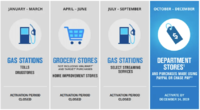
For example, here’s the Chase Freedom calendar for 2019:

And the 2020 Discover categories:

These cards aren’t for everyone
Many points and rewards “hobbyists” love cards with rotating category bonuses, because it feels so good to earn 5 - 10% in rewards just by using the right credit card. The 10% category bonus you can earn the first year with the Discover cards is the highest reward earnings rate available for any purchase with any credit card—and that’s saying something; and the 5x Ultimate Rewards points you can earn from the Chase Freedom Card is not that far behind.
However, maximizing the benefits from these cards can be a lot of work:
- Like the "pick your own category cards", rewards you can earn with "rotating category" cards are capped. With 5% cashback, even if you can spend the maximum of $1,500 per quarter, you’ll only earn about an extra $150 per year (above and beyond what you'd get from using a good general purpose reward card). However, the 8.5% in value back from the Freedom Card can generate up to a more respectable $360 in extra rewards per year, and the first year of the Discover card can generate even more.
- Unless you expend some effort, it can be hard to reach these theoretical maximums. During any given quarter, it might be hard to take full advantage of the available category(s). You may not naturally have an opportunity to spend $1,500 in the category or you may already be earning good bonus rewards in that category from another card. So, your real earning rate will be lower.
- In return for these extra rewards, you need to deal with the extra complexity of remembering to use these cards for a shifting set of categories, registering for each quarter’s promotion, and trying to maximize your category spend (but not waste points by spending over the quarterly maximums). By contrast, collecting one additional signup bonus will provide a lot more value with a lot less effort.
Nevertheless, these cards do allow you to increase the number of rewards you earn each year, especially if you can accumulate multiple copies or each card and can figure out how to max them out.
Available rotating category cards
We recommend starting with the Chase Freedom Flex Card, if you can get it (you haven’t gotten more than 5 new credit cards in the past 2 years); and the Discover Card, if you can’t. If you know that you can generate enough spend and don’t mind the hassle of using these cards, you could always get both. You may even be able to get multiple cards of each type.
|
Chase Freedom Flex Card. Earns 5x Ultimate Rewards on a rotating set of categories. If you have a Chase Sapphire or Ink Preferred Card, you can transfer these points to airline or hotel programs, providing a value of about 8.5 cents per dollar. No annual fee. You can eventually get multiple copies of this card by converting other Chase Ultimate Rewards cards. | |
|
Discover It Card. Earns 5% cashback on a rotating set of categories. But you’ll earn double the rewards during the first year. Discover cards aren’t accepted at every business, but that isn't very important for most of the merchants in most of its bonus categories. No annual fee. | |
|
Nusenda Credit Union Platinum Rewards Card. Earns 5% on up to $1,500 per quarter just like the Discover It Card, but without the first-year bonus. No annual fee. |


To see the current (and often upcoming) calendar of bonus categories and register your card visit:
"Rotating category" tips
To earn the maximum rewards from these rotating-category cards, you need to spend close to the full $1,500 each quarter.
- Time your purchases for upcoming bonus categories. Each card’s categories are announced ahead of time, so you can often postpone a purchase until a category becomes active or purchase something ahead-of-time while a category is still active.
- Switch to another credit card once you’ve hit the quarterly maximum. Once you hit the $1,500 maximum each quarter, your earning rate on these cards drops to 1% (or 1 Ultimate Rewards point). You’ll do better shifting your category spending to a different card.
- When you can, take advantage of the categories where you don’t already receive bonuses from one of your other cards. Let’s say it was the 2nd quarter of 2019, and you can receive Freedom Card bonuses on grocery and home improvement stores. If you already have a card that offers 6% on groceries, you are better off using as much of your quarterly spend as you can at home improvement stores.
- You need to register for the new categories every quarter. With most cards, you won't start earning 5x rewards until after you've registered. Set an appointment to remind yourself every three months. With the Chase Freedom Flex Card, as long as you register before the end of the quarter, you'll earn points even for purchases you made before you registered.

The Cash Card
Rather than earning extra rewards on your purchases, you can receive a significant discount on your purchase instead.
The Cash Card provides significant discounts (typically 10%) on purchase from a variety of popular merchants.
It works differently from a rewards credit card. First of all, it is a debit card (from the company that developed "Square"). You load money from your bank account to the Cash Card ahead of time and then use it for your purchases.
To earn the extra rewards, you'll need to add a "boost" to your card first, using the "Cash App" on your phone. The set of available boosts change over time. Once you've used a boost at a particular merchant, you may need to wait to get the boost again. Apple App Store. Google Play.

Commonly available boosts include 10% off at purchases at any grocery store, DoorDash, Starbucks, or Shake Shack, and 20% off purchases at the post office. Discounts are capped. For example, grocery store bonuses are capped at $7.50 of rewards per purchase ($75 of spending).
Maximizing high reward rates with gift cards
There are a several credit cards that earn reward rates of 5% or higher on different bonus categories. But not all of your spending will naturally fit into these categories. Gift cards provide a way to boost your rewards on purchases where you earn a lower reward rate.
- You can buy gift cards at stores where you earn high bonus category reward rates and then use them to make a purchase where you would normally get a lower rate. You are effectively converting the purchase into a higher reward rate category. For example, if you spent $500 at BestBuy with a 2% general purpose reward card, you earn $10 in rewards. But if you bought it with $500 worth of gift cards you purchased at the grocery store with an Amex Blue Preferred card, you'd earn $30 for the same purchase.
- You can extend this approach to almost any type of purchase by buying Visa or Mastercard gift cards—but they come with extra fees. Unlike gift cards that are limited to specific merchants, general purpose gift cards have an activation fee. Fees are extremely high on smaller denomination cards but can drop to as little as .75 - 1.5% when you buy cards with a $500 balance. This drops the effective reward rate but still typically provides a better return than using your general purpose card.
- While gift cards can boost your rewards, they take extra effort to use. It is simpler to just go into a store, or go online, and buy stuff with your credit card, instead of stockpiling gift cards, making sure to bring them to the store, and redeeming them when you check out. In addition, you’ll need to pay money ahead-of-time for things that you won’t be buying until later.
- Gift cards sometimes go on sale. This especially happens during the Christmas season. This can be an excellent time to stock up on cards that you can use throughout the year.
- Grocery stores aren't the only good option for earning high rates on gift card purchases. With the right card, you can earn high bonus reward rates buying gift cards at office supply stores, many gas stations, and home improvement stores. For example, the Ink Cash card earns 5x Ultimate Reward points, valued at 8.5 cents per dollar, on gift cards bought at Office supply stores.
- With some cards, you can maximize your rewards by using gift cards to shift your spending to another part of the year. For example, rotating category cards earn very high reward rates, but change their bonus categories every quarter. If you aren't going to naturally hit one quarter's spending cap, you can often purchase buy cards for the remaining amount. Then, you can spend the gift cards for your purchases during the rest of the year.
- If you can take advantage of a lot of gift cards, it changes the credit cards you might want to get. For example, we often recommend getting the Amex Everyday Preferred Card for grocery store (and gas) spending. Assuming you hit 30 transactions per month, it earns 4.5x Membership Rewards points on groceries and has a $95 annual fee. In contrast, the Amex Gold Card "only" offers 4x Membership Rewards points on groceries and has a $250 annual fee. But the Amex Gold Card has a $25,000 per year cap and the Everyday Preferred Card has a $6,000 cap. For many people, that difference is irrelevant. But, if you have the ability to use the entire capped amount via gift cards, the Gold Card is the better deal. To increase your total cap even further, you may even want to get multiple cards.
- Be careful with American Express cards. They don't allow gift card purchases to be used to meet the minimum spending requirements to earn signup bonuses. In addition, most of their interesting cards also include terms that exclude the ability to earn any reward points on gift card purchases at any time. These terms are not currently being enforced (except for signup bonuses and purchases from Simon Malls and some online giftcard merchatnts), but Amex may start enforcing them at any time. If they do, they could conceivably take back points that already posted to your account.
Similarly, many people may not be particularly interested in a card that earns high bonus rewards at office supply stores. Their normal amount of office supply spending isn't enough to make it very interesting. But, if you have no problem using gift cards, earning 5x Ultimate Rewards with the Ink Cash Card is an incredible deal.
If you are willing to take the time, you can combine several approaches to earn 4-5% on all your spending.